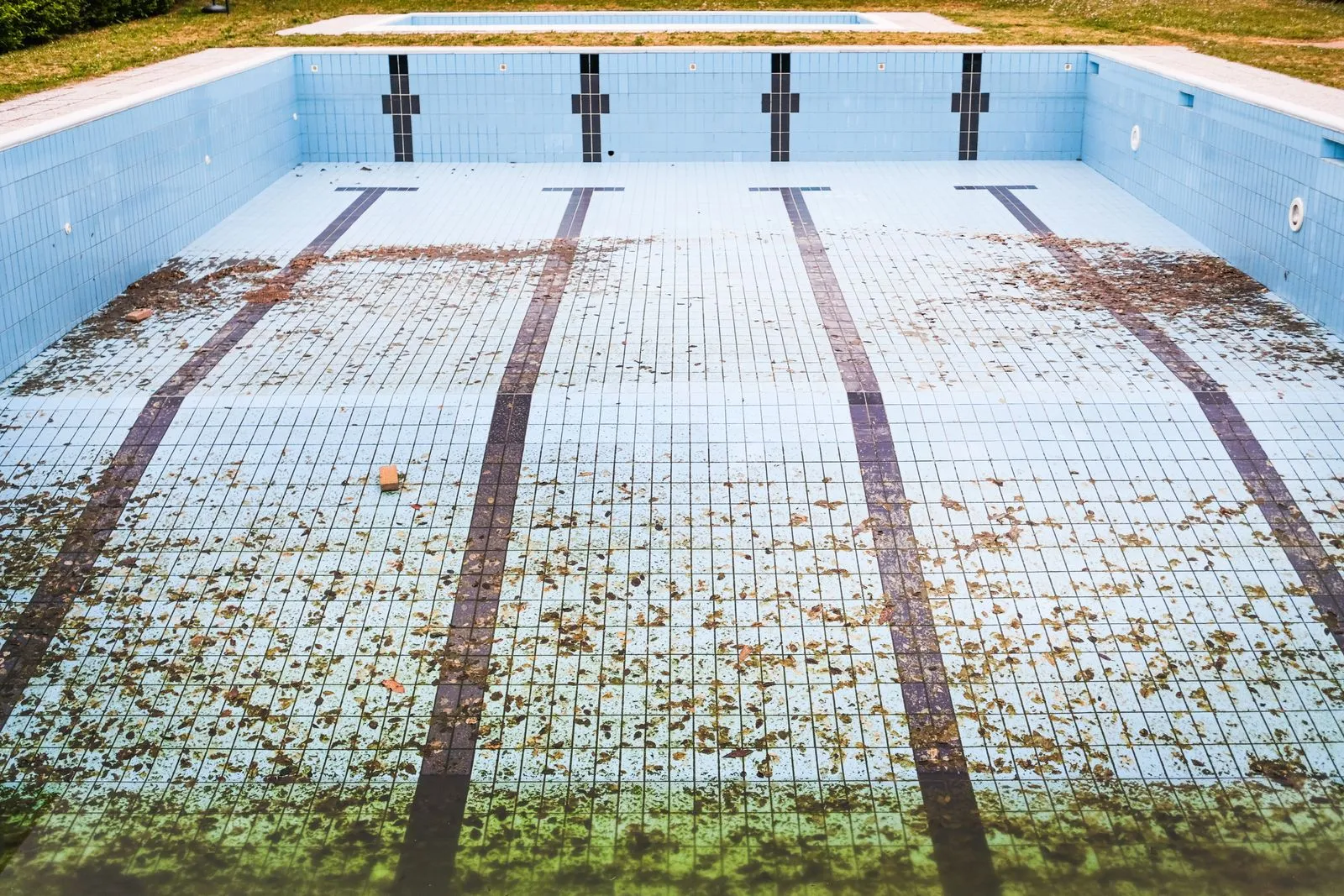
A clean pool takes more than a quick skim now and then. How often you need to clean it depends on how many people swim, what the weather brings, and how much debris nearby trees drop. Start with a steady routine, then adjust when conditions change. A few small checks during the week can prevent leaves, sunscreen, and cloudy water from turning into a bigger cleanup job.
Adjust for Swimmer Traffic
The more people use a pool, the more often it needs attention. Swimmers bring in sunscreen, body oils, hair, and other debris that can affect water clarity and sanitizer levels. During busy stretches, skim the surface daily, empty skimmer baskets, and check the water more often than you would during a quiet week.
After a pool party or a day with lots of swimming, remove floating debris and test the water. Brush steps, benches, and the waterline if they feel slippery or look dirty. Follow your pool’s test kit and product instructions when adjusting water chemistry; avoid adding chemicals based on guesswork.
Let Weather Guide Your Routine
Wind can blow leaves, dust, and pollen into the water, while rain may carry dirt from surrounding surfaces into the pool. Hot, sunny conditions can also increase sanitizer demand and water loss. After a storm or a stretch of hot weather, check the water and equipment rather than assuming your usual schedule is enough.
As a starting point, skim and inspect the pool several times a week, brush walls and steps about weekly, and test water regularly. Increase those checks when the pool sees heavy use or weather adds debris. Run the pump and filter according to the equipment maker’s guidance, and watch for changes in water flow or clarity.
Account for Nearby Trees
Trees can make a pool feel private and inviting, but falling leaves, blossoms, seeds, and pollen add to the cleaning load. If debris collects on the surface or settles on the floor, skim more often and vacuum as needed. Empty baskets before they become packed, since blocked baskets can restrict water circulation.
Brush the waterline and corners where debris tends to gather. If trees drop heavily during a particular season, check the pool daily until the debris eases. A cover can reduce what lands in the water when the pool is not in use, but remove standing water and debris from the cover safely before opening it.
Build a Simple Upkeep Plan
Keep everyday care manageable by pairing quick checks with a regular weekly clean. Skim the surface, empty baskets, and look for unusual water color or weak return flow. Each week, brush the walls and floor, vacuum where needed, test the water, and inspect the filter based on its instructions. Clean or backwash it only as the manufacturer recommends.
Use a pool log to note test results, storms, heavy swimming, and when you clean the filter. If water stays cloudy, develops a strong chemical smell, or becomes difficult to balance, investigate promptly and follow product labels. For persistent problems, ask a qualified pool professional to check circulation and water chemistry.
There is no single cleaning schedule that fits every pool. Use swimmer traffic, weather, and tree debris as signals to add checks, while keeping skimming, testing, brushing, and equipment inspections in your routine. For help tailoring pool care to local conditions, contact Splashwise Pools.