
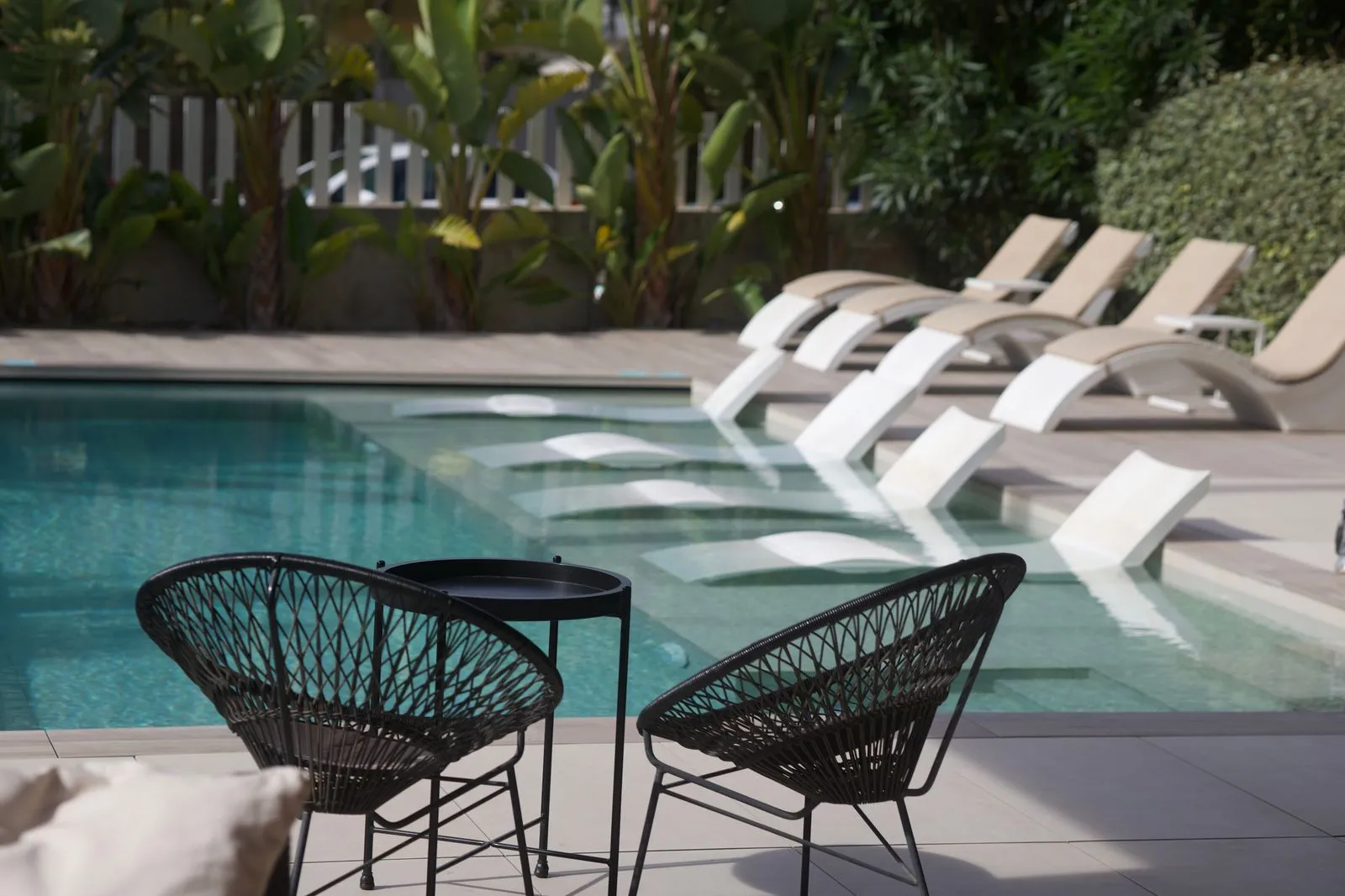
Before the first splash, take a few minutes to make sure your pool and the area around it are ready. Clear-looking water is a good start, but it does not confirm that the water chemistry or equipment is in order. Check the pool, run the circulation system, and remove hazards from the deck. This practical checklist helps you spot common issues before swimmers arrive and gives you a clear next step if something needs attention.
Check Water Clarity and Chemistry
Look across the pool from the deck and check whether you can see the floor clearly. Cloudy, discolored, or unusually hazy water can signal a filtration or water-balance problem. Remove leaves and visible debris with a skimmer, but do not treat clear water as proof that it is safe to swim. If you cannot see the bottom, keep swimmers out until you identify and resolve the cause.
Use a pool test kit or test strips to check the sanitizer and pH, following the product instructions and your pool care guidance. Adjust only with products labeled for your pool, and follow their directions for dosing and when swimming can resume. Retest after treatment if instructed. Avoid guessing or mixing chemicals; if results remain outside the recommended range, contact a pool professional.
Run the Pool Equipment
Start the pump and make sure water is moving through the system. Check the filter pressure gauge against its usual operating range, and listen for unusual grinding, rattling, or air sounds. Look for leaks around the pump, filter, and visible connections. If the pump will not prime, circulation looks weak, or equipment leaks, switch it off if needed and arrange a repair before swimming.
Check that skimmer and pump baskets are free of leaves and other debris, and confirm return jets are sending water back into the pool. Clean or backwash the filter only as its manufacturer recommends; filter types require different care. Keep hands and tools away from moving parts, and never open a pressurized filter. If you are unsure how to service equipment safely, ask a qualified technician.
Tidy and Inspect the Poolside
Walk around the deck and pick up toys, hoses, loose equipment, and anything that could trip a swimmer. Clear leaves and standing water where practical, and check that the walking surface is not slippery. Make sure gates latch, barriers stay in place, and rescue equipment is easy to reach. Store pool chemicals in their original containers, away from swimmers and according to label directions.
Inspect ladders, handrails, steps, and diving areas for movement, sharp edges, or visible damage. Secure loose items and keep glass away from the pool. Set out towels and make sure swimmers know where the shallow and deep areas are. These quick checks help make the space more comfortable while reducing avoidable hazards before the fun starts.
Do a Final Pre-Swim Check
Before anyone gets in, confirm the water remains clear, the circulation system is running normally, and any chemical treatment has had the time specified on its label. Recheck the pool after a storm, heavy use, or a long period without maintenance, since debris and water balance can change. If you find an unresolved concern, delay swimming rather than relying on a quick visual fix.
Keep an attentive adult supervising swimmers, especially children, and set simple rules for the pool. Swimming readiness is not a one-time check: maintain water chemistry, remove debris, and monitor equipment regularly. A consistent routine makes it easier to catch small problems early and keeps the pool more inviting throughout the season.
A ready pool needs more than sparkling water: check clarity and chemistry, confirm equipment is circulating, and clear hazards from the deck. If a problem persists or you would rather leave routine care to a professional, Splashwise Pools can help you plan your next pool-cleaning visit.